Why Ground Preparation Matters in Construction
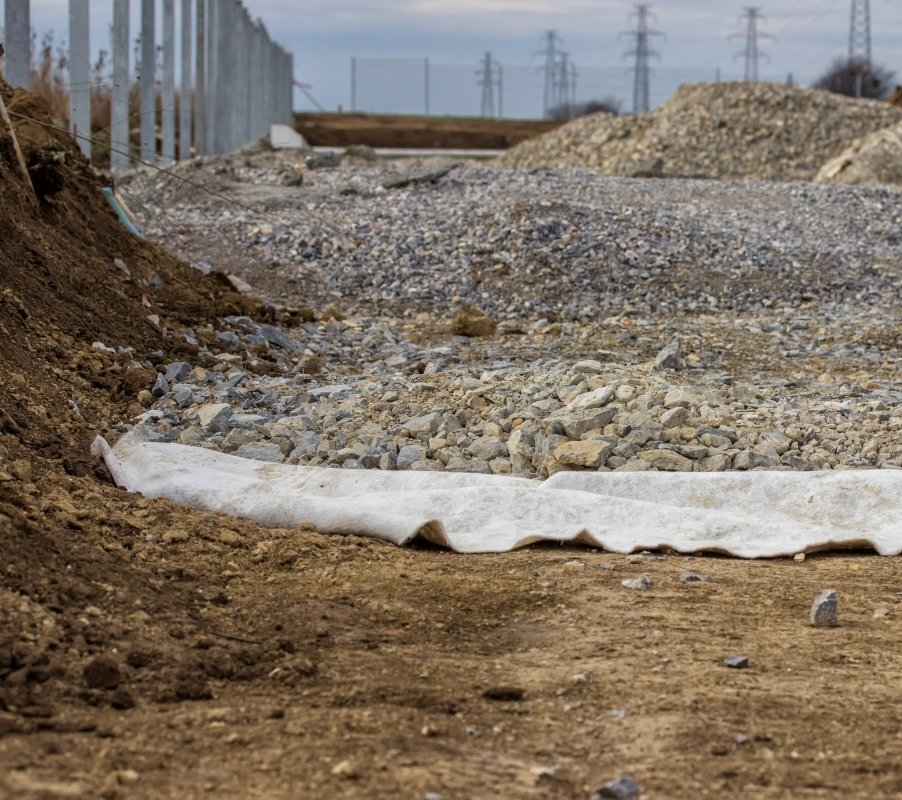
Unstable soil conditions are a major cause of surface failure in infrastructure projects. Weak subgrade layers can result in uneven settlement, cracking, rutting, and reduced service life in roads, pavements, embankments, and industrial platforms. When the foundation soil lacks strength, even properly designed surface layers may deteriorate prematurely under repeated loading.
Effective ground preparation begins with proper soil separation and load distribution. When granular base materials mix with soft underlying soil, bearing capacity decreases and structural deformation increases. Reinforcement-based ground stabilization methods are used to maintain separation between layers, improve load transfer, and enhance long-term structural performance.
The Role of Engineered Geotextile Layers in Soil Control
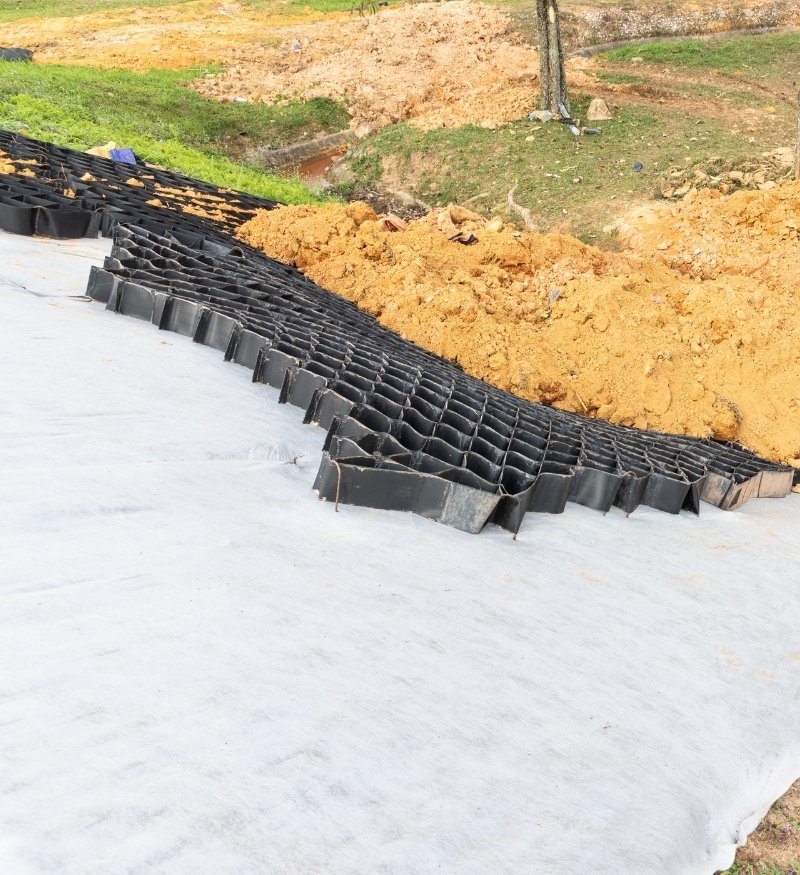
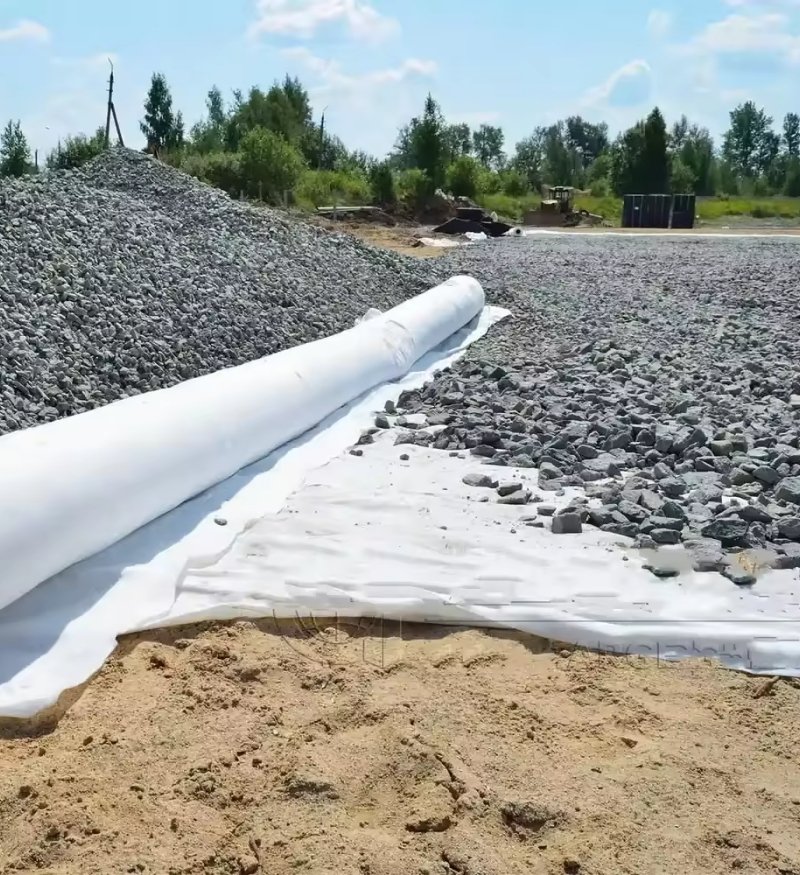
In modern civil engineering, permeable reinforcement layers are installed between soil strata to prevent intermixing and stabilize the base structure. These layers function as separators while also supporting load distribution across a broader area. By maintaining a stable interface between aggregate and soft soil, they help preserve structural integrity over time.
At the same time, these systems allow controlled water movement through the soil profile. Proper filtration prevents fine particles from migrating while maintaining drainage efficiency. This reduces erosion, limits water accumulation within base layers, and improves long-term ground stability in road construction, embankments, drainage systems, and industrial developments.
Soil Separation Function
Prevents mixing of base aggregates and weak subgrade soil.
Controlled Filtration
Allows water flow while retaining soil particles.
Moving Toward Engineered Ground Management
As infrastructure projects expand and traffic loads increase, structured ground stabilization has become essential. Modern construction increasingly uses engineered reinforcement systems to improve performance and material efficiency rather than relying only on thicker base layers.
Polyester nonwoven needle-punched geotextiles are commonly used for their separation and filtration properties, helping improve subgrade performance and extend surface life. Mira Agrotex Industries Private Limited manufactures engineered geotextile solutions designed to support soil stabilization and long-term infrastructure durability.
about
Technical Textiles
Engineered textile materials developed for protection, stability, and long-term reliability.