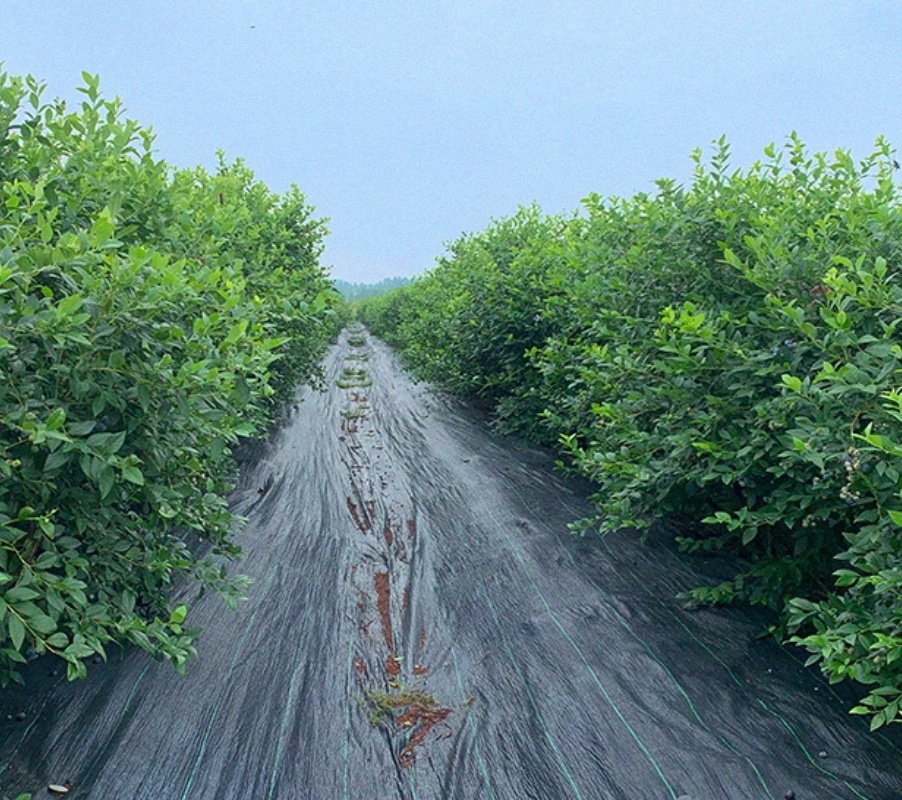
Why Organized Crop Rows Matter
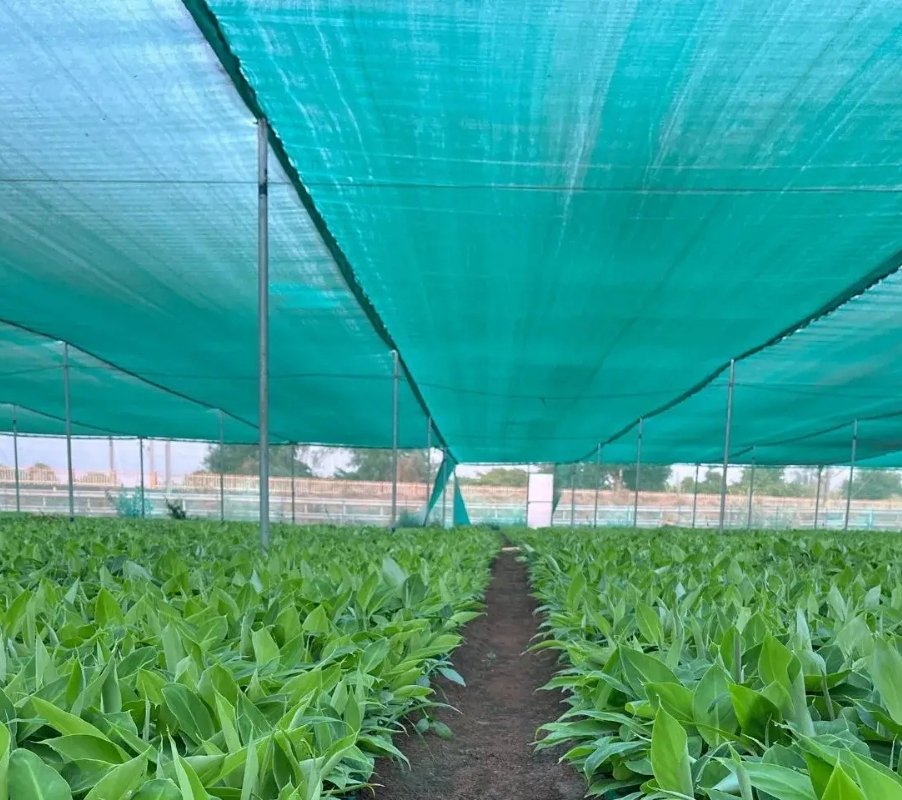
Well-defined crop rows play an important role in improving farm efficiency. When cultivation areas are properly structured, activities such as irrigation, spraying, harvesting, and routine maintenance become easier to manage. Disorganized field surfaces often lead to uneven growth, difficult movement between rows, and increased labor effort.
A stable and organized ground layout helps maintain consistent crop spacing throughout the season. Clear row definition improves accessibility for workers and equipment, reducing unnecessary disturbance around plant roots. Over time, better field organization contributes to smoother operations and improved overall productivity.
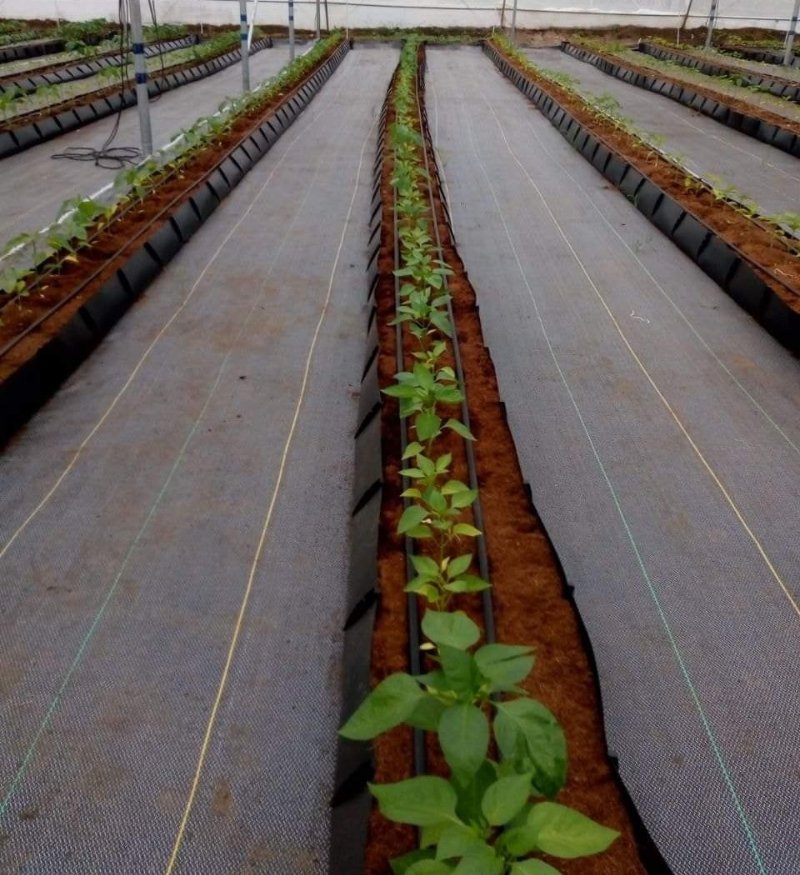
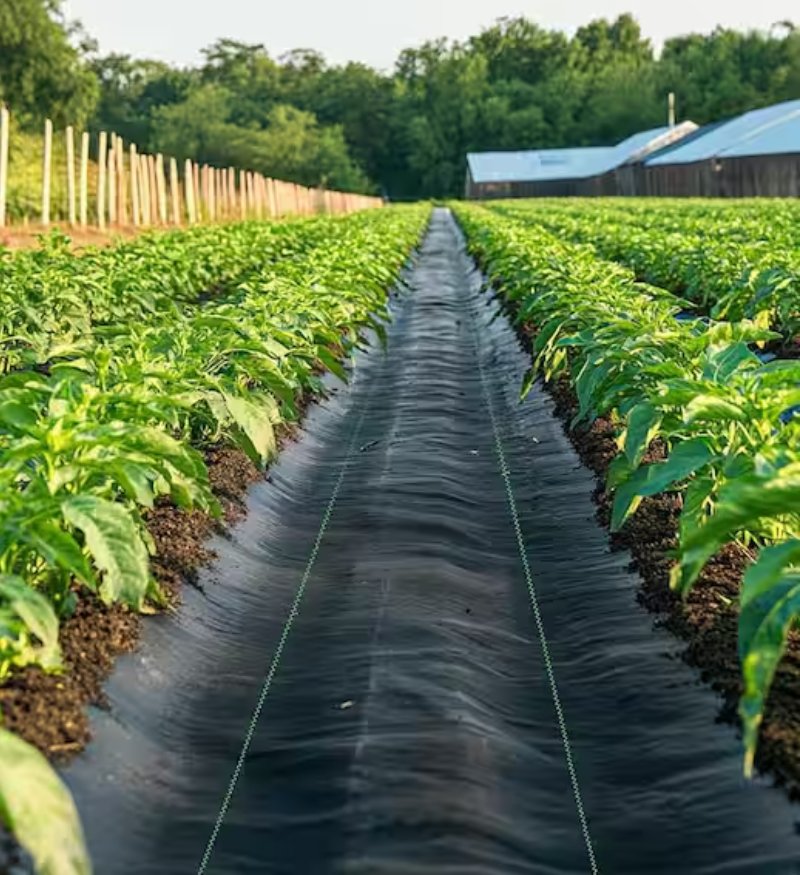
Creating a Stable Surface Between Crops
Exposed soil between crop rows is prone to weed growth, erosion, and repeated disturbance from foot traffic or equipment movement. Frequent soil disruption may affect root stability and create uneven surfaces.
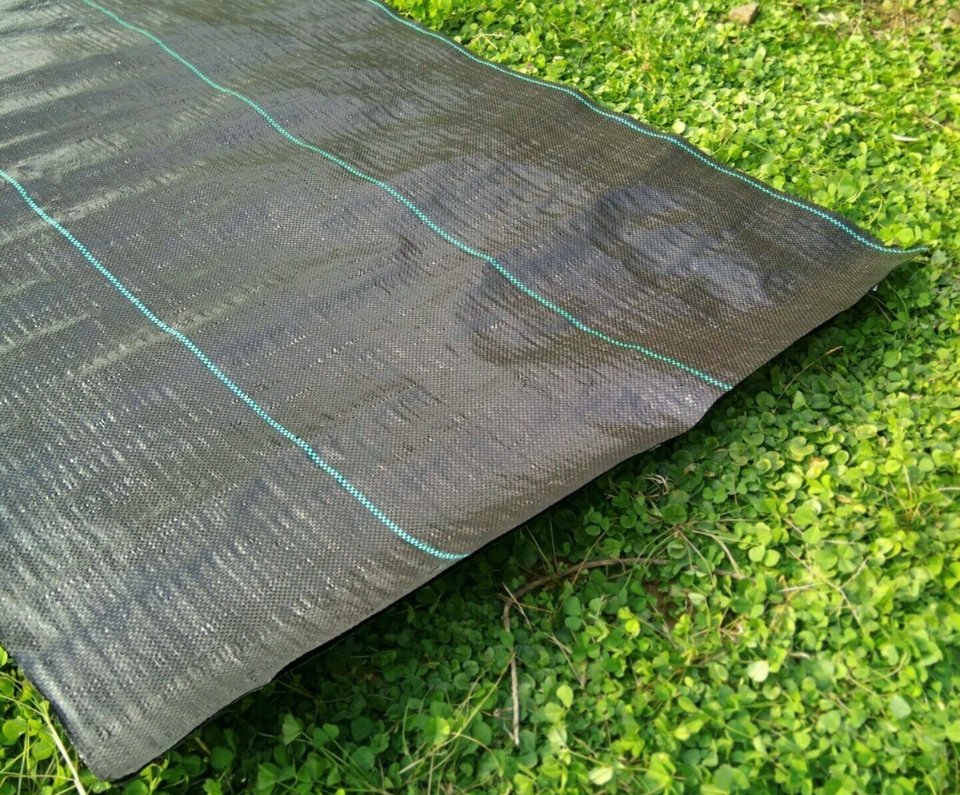
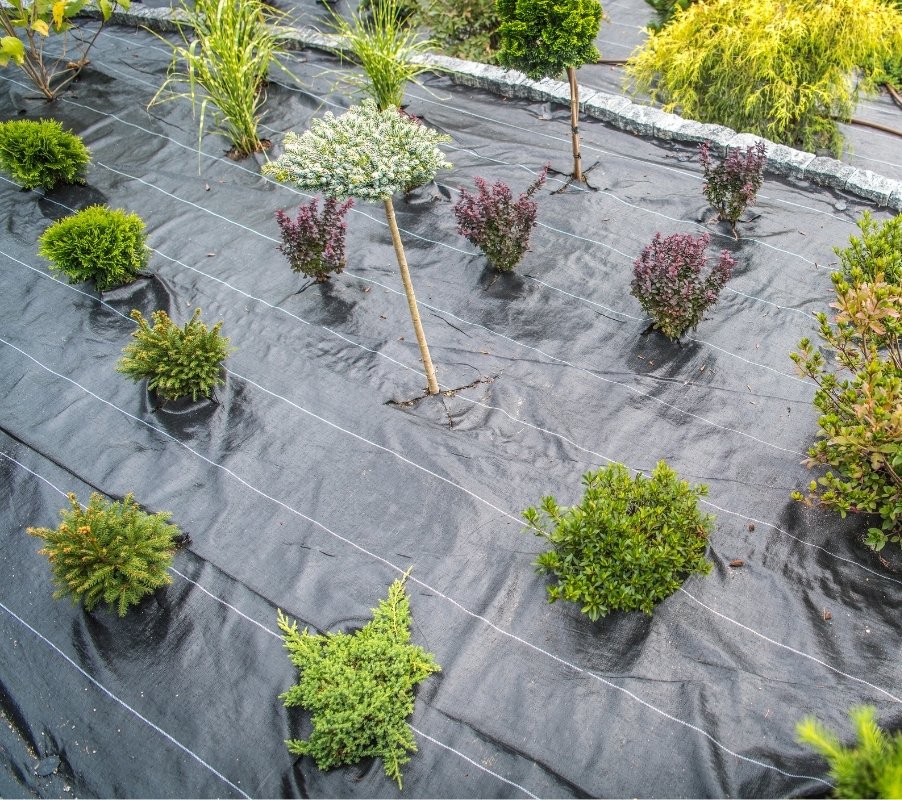
Installing a permeable ground cover layer helps maintain structured row alignment while allowing rainfall and irrigation to pass through naturally. HDPE woven ground cover fabric is commonly used in vegetable farms, orchards, and plantation systems to provide surface stability without restricting water infiltration. The woven structure protects the upper soil layer while maintaining healthy soil-air exchange.
Defined Row Structure
Maintains consistent spacing and organized cultivation lines.
Surface Protection
Reduces repeated soil disturbance and erosion.
Supporting Long-Term Field Efficiency
Structured crop rows improve operational control across all growing stages. From planting to harvesting, a well-managed surface helps reduce maintenance effort and improves workflow efficiency. Organized fields also support better monitoring of plant health and crop performance.
Mira Agrotex Industries Private Limited manufactures engineered HDPE woven ground cover fabric solutions designed to support structured agricultural systems. Maintaining clear and stable crop rows is an essential step toward achieving consistent and reliable farm performance.
about
Technical Textiles
Engineered textile materials developed for protection, stability, and long-term reliability.