Growing Crops Upward Instead of on the Ground
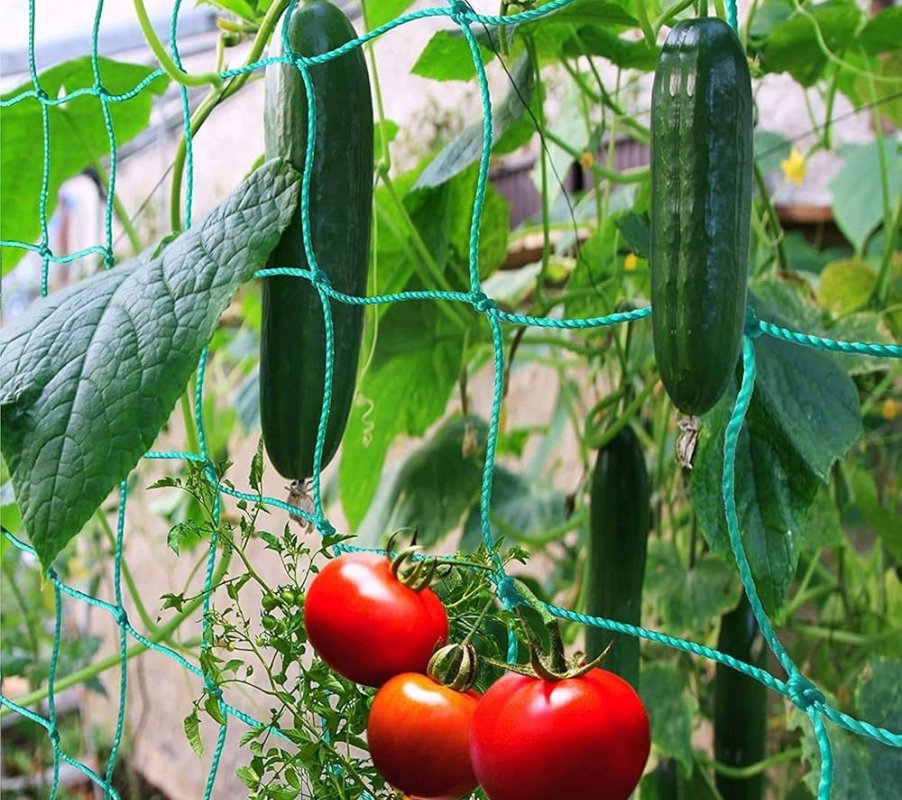
Many vegetable crops like cucumber, beans, bitter gourd, and tomato naturally spread on the ground if not supported. When fruits touch the soil, they are more likely to rot, get damaged by pests, or develop unevenly. Ground-level growth also reduces airflow between plants, which can increase the risk of disease.
Using a crop support or trellis system helps guide plants to grow upward. When vines are trained vertically, plants receive better sunlight and improved air movement around the leaves. This leads to cleaner fruits, healthier plants, and better overall crop development.
Making Farm Work Easier and More Efficient
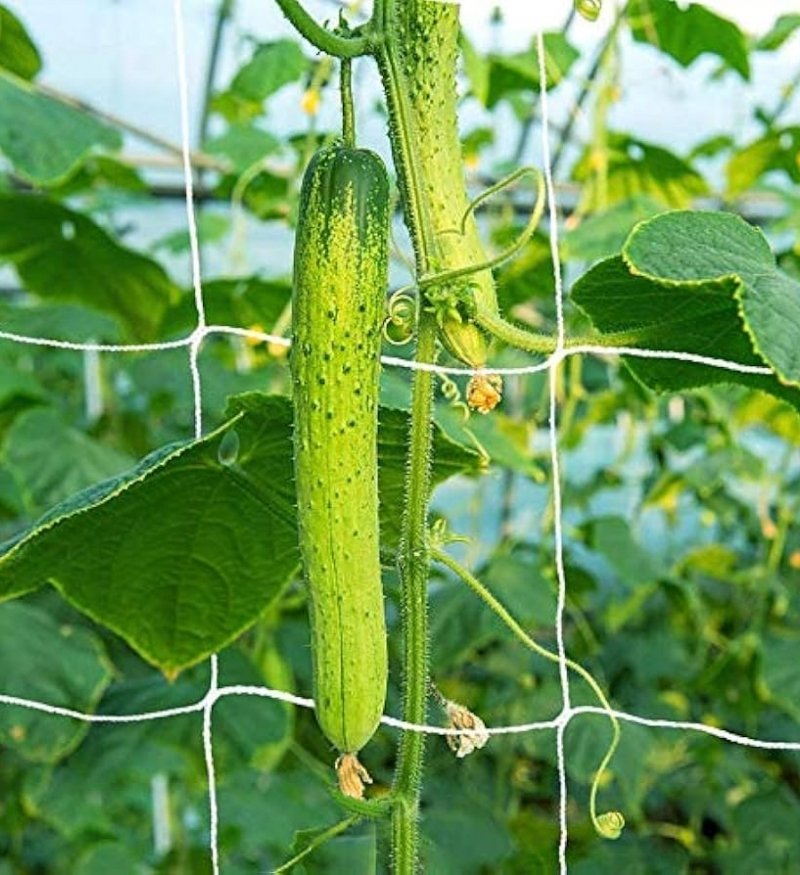
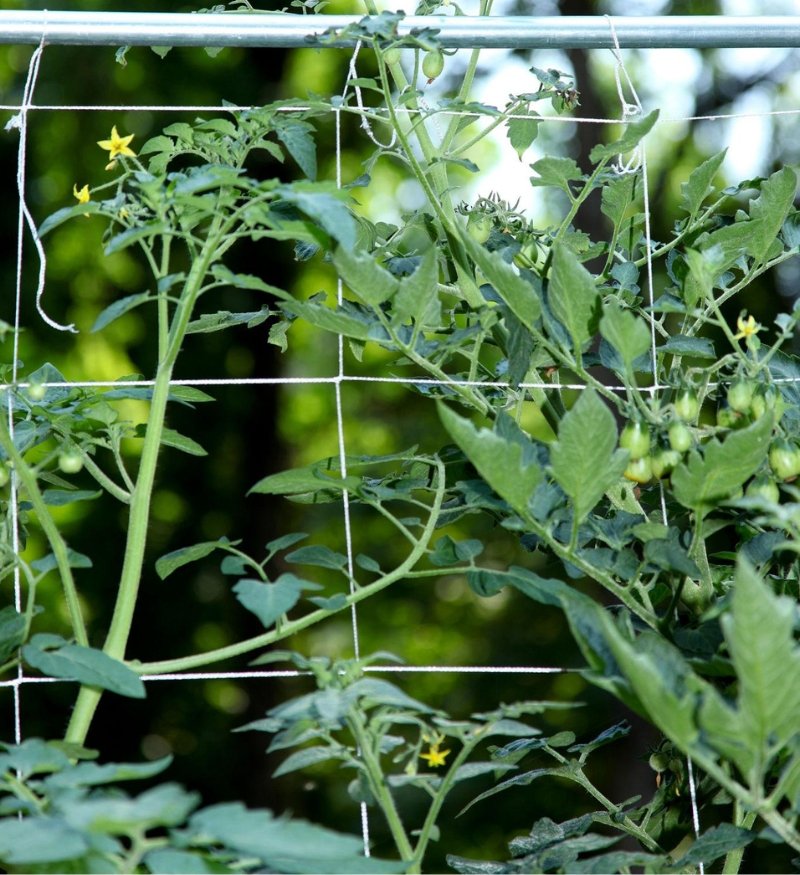
Vertical crop training also makes daily farm activities easier. When plants are supported properly, farmers can walk between rows comfortably, monitor crop health, and harvest fruits without bending excessively. This reduces labor strain and speeds up harvesting.
In commercial farming and protected cultivation, trellis systems help use space more efficiently. Crops grow upward instead of spreading widely, allowing better row management and improved yield per area. Over time, organized crop growth leads to cleaner fields and more consistent production.
Easier Harvesting
Improves access for picking and monitoring.
Better Plant Support
Guides vines upward for organized growth.
Moving Toward More Organized Farming
Modern farming is gradually shifting toward structured cultivation methods. Supporting crops vertically helps reduce damage, improve hygiene, and make field management more practical.
Crop support systems are widely used in vegetable and horticulture farming as part of this organized approach. With proper installation and planning, they contribute to healthier crops and more reliable harvests.
about
Technical Textiles
Engineered textile materials developed for protection, stability, and long-term reliability.